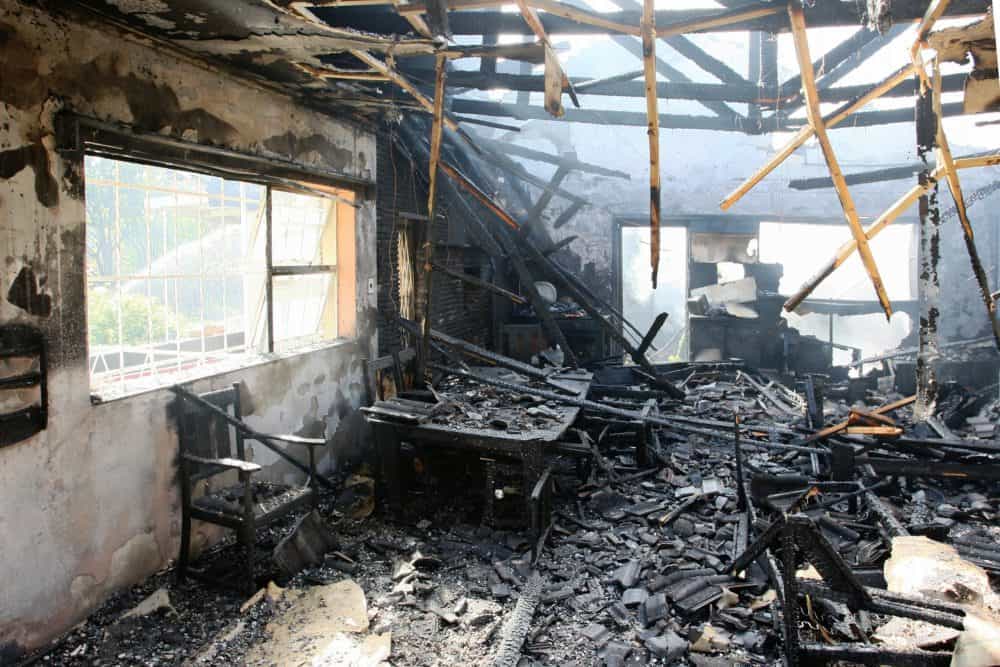
Imagine a homeowner in Massachusetts, Jane, who has just experienced significant flood damage to her home following a severe storm. The floodwaters have receded, but her basement is filled with water, her carpets are soaked, and she’s worried about mold growth and structural damage. Jane has never dealt with such a situation before and is feeling overwhelmed. She urgently needs to address the water damage to prevent further deterioration.
A day after the flood, Jane receives a flyer in her mailbox from a local plumbing company, “RapidFix Plumbing & Restoration.” The flyer promises quick and affordable flood damage restoration services. Desperate for help, Jane calls them for an inspection. The company’s representative arrives promptly and performs a quick assessment, claiming the damage is extensive and requires immediate action to prevent mold growth and further structural issues.
The representative pressures Jane to sign a contract on the spot, insisting that delays could lead to more damage and higher costs. He emphasizes that they need to start work immediately and requests a large upfront payment, claiming it’s necessary to cover the cost of materials and labor. Feeling rushed and panicked, Jane agrees, trusting the supposed urgency of the situation.
Once the work begins, Jane notices several concerning practices:
Unnecessary and Inflated Repairs:
The company begins performing a range of repairs that seem unnecessary. For example, they insist on replacing all plumbing fixtures, even those unaffected by the flood. They also recommend replacing the entire HVAC system, citing water damage, despite it being located on the upper floors.
Overcharging for Services:
As work progresses, the company frequently finds additional “issues” that require immediate attention, inflating the initial estimate significantly. The representative keeps presenting new invoices for Jane to pay, citing the contract’s fine print about “additional necessary work.”
Substandard Work and Incomplete Repairs:
Jane notices that the quality of work is poor. The company cuts corners by using low-quality materials and performs a superficial cleanup instead of properly drying and treating affected areas. They leave some tasks incomplete, such as failing to remove all water-damaged materials, which could lead to mold growth.
Withholding Critical Information:
The company fails to provide Jane with important information about her insurance coverage. They do not inform her that she could seek an independent estimate or consult with her insurance company to verify what is necessary and covered.
As the situation unfolds, Jane becomes increasingly suspicious and contacts her insurance company and a reputable local contractor for a second opinion. The insurance adjuster and contractor inform her that many of the repairs were unnecessary or inflated, and the work done was substandard. They also explain that some of the repairs charged were not covered by her insurance policy, leaving her financially responsible.
Realizing she’s been taken advantage of, Jane tries to confront the company, but they refuse to negotiate or refund any payments. They also threaten legal action, pointing to the contract she signed. Jane is left with an incomplete, poorly repaired home and a substantial financial burden, illustrating how unscrupulous companies can exploit homeowners’ vulnerability in the aftermath of a disaster.