When it comes to maximizing space in a small home, an engineer can provide valuable insights and recommendations to homeowners. Engineers are trained to understand structural integrity, spatial dynamics, and efficient use of resources. Here’s how an engineer would outline smart remodeling solutions to optimize space in a small home:
Initial Assessment and Planning
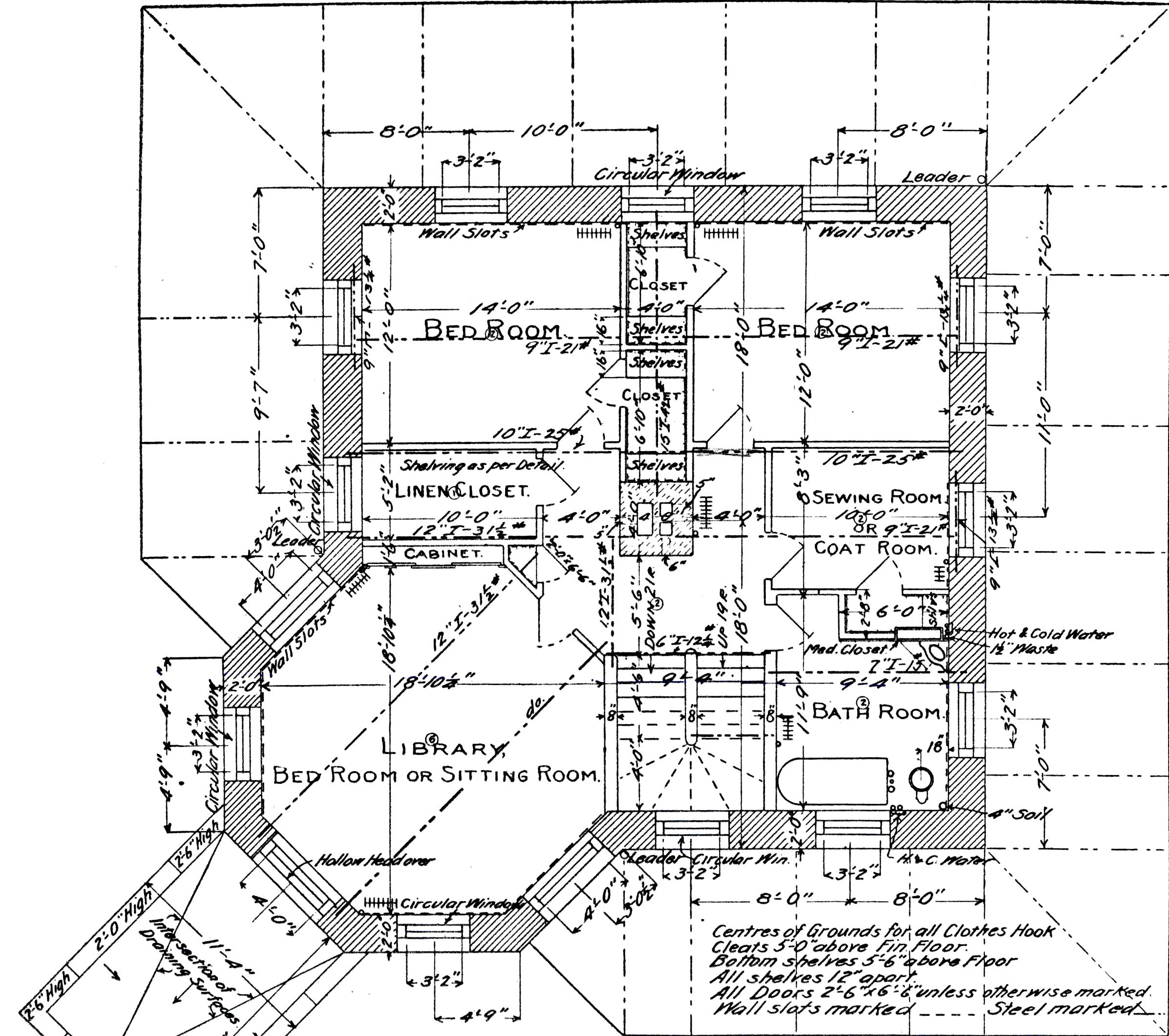
The first step an engineer would take is to conduct a thorough assessment of the home’s current layout and structure. This assessment helps identify potential areas for improvement and optimization. Engineers analyze existing walls, load-bearing structures, and available floor space to determine the feasibility of various remodeling ideas.
Functional Space Planning
Engineers prioritize functional space planning to ensure every square foot of the home is utilized efficiently. This involves identifying key areas such as kitchens, bathrooms, and living spaces that require careful planning to maximize usability and comfort. They may suggest reconfiguring layouts or integrating multifunctional furniture to create versatile living areas.
Structural Modifications
In some cases, structural modifications may be necessary to optimize space effectively. Engineers assess the feasibility of removing non-load-bearing walls, creating open floor plans, or adding structural supports where needed. They ensure that any modifications comply with building codes and regulations while maintaining the integrity and safety of the home.
Utilization of Vertical Space
Small homes often have limited floor space, making the utilization of vertical space crucial. Engineers recommend strategies such as installing floor-to-ceiling shelving, utilizing high cabinets, or adding mezzanine levels where appropriate. These solutions maximize storage capacity without encroaching on valuable floor area.
Lighting and Electrical Efficiency
Engineers also consider lighting and electrical efficiency as part of space optimization. They may suggest installing recessed lighting to save ceiling space or incorporating energy-efficient fixtures to reduce utility costs. Strategic placement of electrical outlets and switches can enhance convenience and functionality within the home.
Innovative Storage Solutions
Storage is a significant challenge in small homes, and engineers propose innovative storage solutions tailored to the homeowner’s needs. This could include custom-built cabinets with pull-out drawers, under-stair storage compartments, or built-in furniture with hidden storage compartments. These solutions maximize storage capacity while maintaining a clutter-free environment.
Optimizing HVAC Systems
Efficient heating, ventilation, and air conditioning (HVAC) systems contribute to maximizing space by minimizing the footprint of mechanical equipment. Engineers may recommend compact HVAC units, ductless mini-split systems, or zoning controls to optimize comfort without sacrificing living space.
Energy-Efficient Design Considerations
Engineers prioritize energy-efficient design considerations to reduce the home’s environmental footprint and operational costs. This may involve recommending insulation upgrades, energy-efficient windows, or passive solar design strategies tailored to the home’s orientation and climate.
Technology Integration
Incorporating smart home technology can further enhance space efficiency. Engineers may suggest installing programmable thermostats, smart lighting systems, or integrated home automation solutions that streamline daily tasks and improve overall living comfort in a small home environment.
Project Management and Implementation
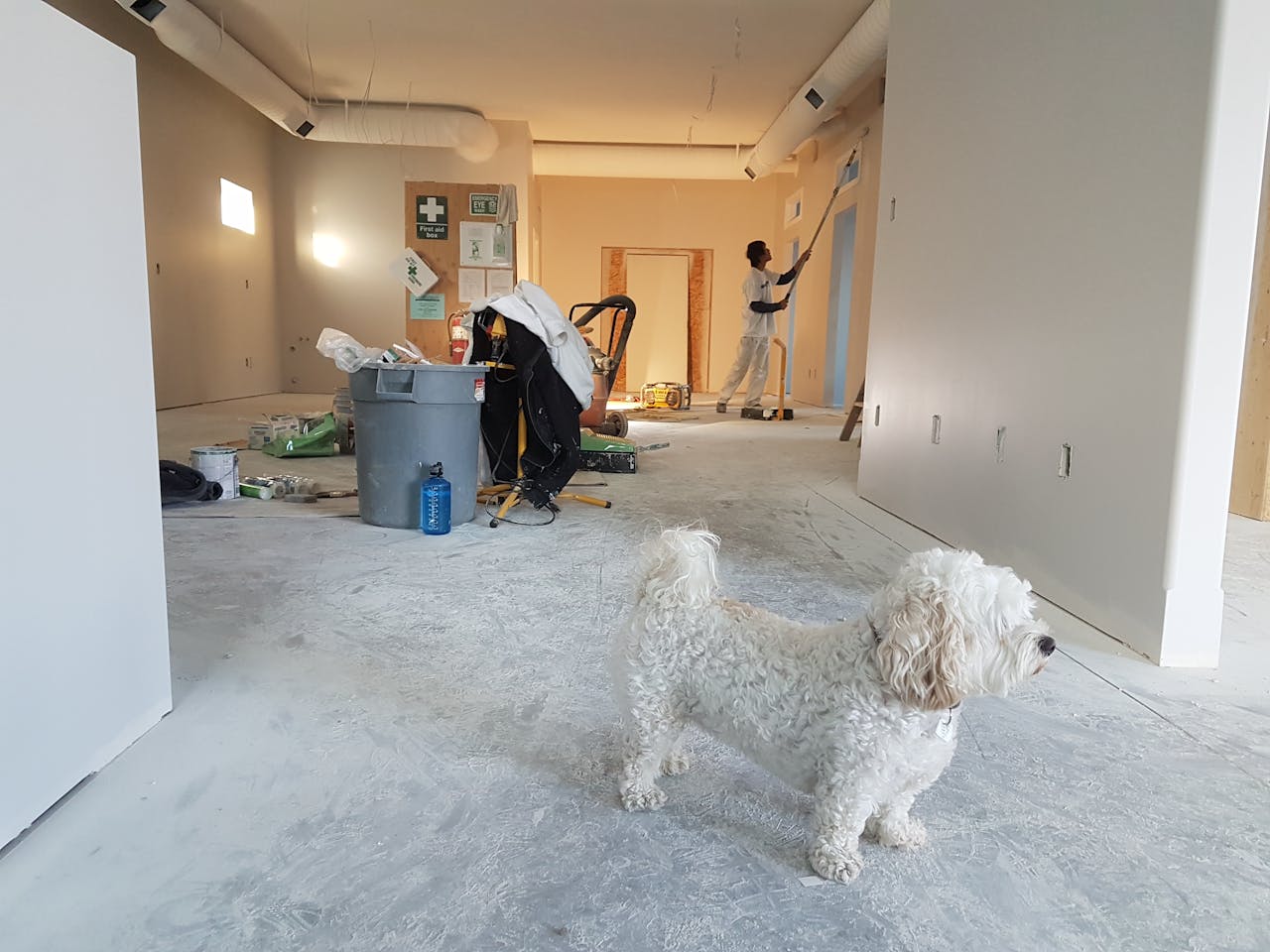
Throughout the remodeling process, engineers provide project management oversight to ensure that designs are executed according to plan and within budget. They collaborate closely with contractors and architects to address any technical challenges and ensure that remodeling solutions meet the homeowner’s expectations for maximizing space.
By leveraging their technical expertise and knowledge of space optimization principles, engineers play a pivotal role in guiding homeowners through the process of smart remodeling for small homes. Their insights and recommendations not only enhance functionality and comfort but also contribute to the long-term value and livability of the home.