How Fast Does Mold Begin to Grow After Water Damage?
Water damage in homes and buildings can quickly become a significant health hazard if not addressed promptly. One of the most pressing concerns is mold growth, which can begin surprisingly soon after moisture intrusion. Understanding the timeline for mold growth is crucial for homeowners, property managers, and anyone dealing with water damage. This article will explore how quickly mold can grow after water damage, supported by scientific data and research.
The Mold Growth Timeline
Within 24-48 Hours: Initial Colonization
Mold can begin to grow within 24 to 48 hours after water exposure. The exact speed depends on various factors, including temperature, humidity, and the type of materials affected. Most common molds, such as Aspergillus, Penicillium, and Stachybotrys (black mold), thrive in environments with a relative humidity (RH) of 60% or higher.
Within 3-12 Days: Spore Proliferation
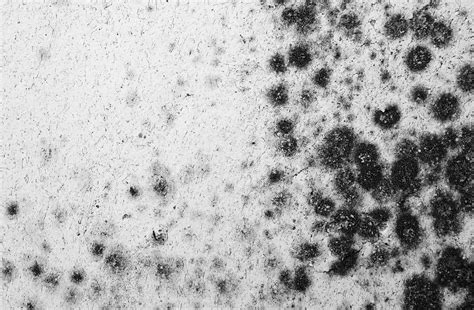
If the moisture problem is not addressed, mold spores will rapidly proliferate. During this phase, mold colonies become more visible, and the affected area may begin to emit a musty odor. At this stage, mold may start causing allergic reactions or respiratory issues in sensitive individuals.
After 12 Days: Extensive Colonization and Structural Damage
After 12 days, mold growth can become extensive, covering large areas of the affected materials. Structural damage to the building can occur as mold breaks down organic materials, such as wood and drywall, for nutrients. The longer the mold remains, the more difficult and expensive remediation becomes.
Factors Influencing Mold Growth
Several factors can accelerate or decelerate mold growth:
- Temperature: Mold grows best in temperatures between 77°F and 86°F (25°C to 30°C).
- Humidity: Mold requires a moisture-rich environment, usually above 60% RH.
- Type of Material: Porous materials like drywall, carpet, and wood are more susceptible to mold growth compared to non-porous surfaces like metal or glass.
Scientific Data on Mold Growth
Research studies have been conducted to quantify the speed of mold growth under various conditions. One study published in the journal Indoor Air (2012) examined the growth of Penicillium chrysogenum on gypsum board under different humidity levels. The results showed significant mold growth within 48 hours at an RH of 80%.
Here’s a graph representing the typical timeline for mold growth:
| Time After Water Damage (Hours) | 50% RH | 60% RH | 70% RH | 80% RH |
|---|---|---|---|---|
| 0 | No growth | No growth | No growth | No growth |
| 24 | No growth | Initial spores | Initial spores | Visible colonies |
| 48 | No growth | Minimal growth | Visible colonies | Extensive growth |
| 72 | No growth | Visible colonies | Extensive growth | Extensive growth |
| 96 | Minimal spores | Extensive growth | Extensive growth | Extensive growth |
Prevention and Remediation
Given the rapid timeline for mold growth, immediate action is essential following any water damage. Here are key steps to prevent mold from taking hold:
- Dry the Area Quickly: Use fans, dehumidifiers, and ventilation to dry the area within 24 to 48 hours.
- Remove Affected Materials: Porous materials that cannot be completely dried should be removed to prevent mold from spreading.
- Monitor Humidity Levels: Keep indoor humidity below 60% to minimize the risk of mold growth.
- Regular Inspections: After any water damage, conduct regular inspections for signs of mold, especially in hidden areas like behind walls or under carpets.
Conclusion
Mold can begin growing alarmingly fast after water damage, often within the first 24 to 48 hours. To avoid significant health risks and costly damage, it is crucial to address water damage immediately and take preventive measures to inhibit mold growth.
For more detailed information and access to the scientific studies referenced, please visit the following links:
Comparison of mold Experiments on Building Materials
Indoor Mold Prevention – Temperature vs. Humidity
Indoor Air Quality and Mold
Humans cannot smell water, but, we can smell the damage: soggy drywall or wood, etc. Don’t mess around with water damage, or, if you even think you have a water issue. Give us a call, we are happy to stop by. Have a look at our process.